
Getting into drone photography opens up a whole new world of creative options that just aren’t possible from the ground. I’ve found that killer composition is really what takes an aerial photo from “pretty nice” to something that gets a ton of likes and shares, or makes you smile every time you look at it. Whether you’re totally new to drone shooting or just want to step up your game, focusing on composition makes a big difference. Here are my favorite tips for making your drone photos stand out and feel more polished.
Understanding the Basics of Drone Photo Composition
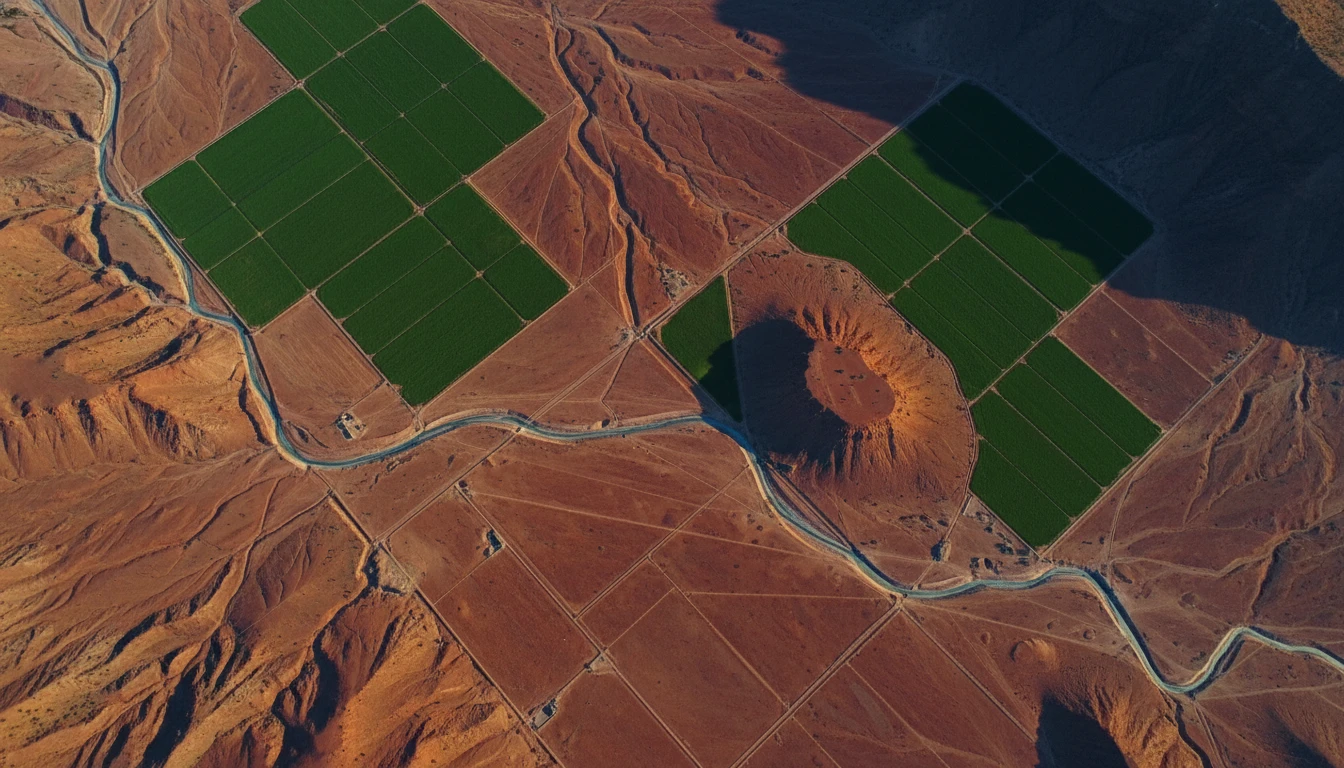
Composition is all about how you arrange everything within your shot. With drones, you can show off unique perspectives. Looking straight down, capturing vast symmetry, or highlighting patterns is suddenly easy from up high. The right composition can turn even a basic landscape into an eye-catching image.
Drones let you use popular rules of photography, but with an extra twist because you control height, angle, and movement. Sometimes, rules like the rule of thirds, framing, or symmetry feel fresh again when you see the world from above. This flexibility means you can really get creative with your shots and inspire new ways of looking at familiar places.
If you’re just getting started, remember: you don’t always need the fanciest drone or top specs. It’s usually the creative eye behind the camera that makes an image pop. By practicing these composition tips, you’ll make the most of any drone, whether it’s your starter quadcopter or a cutting-edge model with all the bells and whistles.
Top 10 Drone Photography Composition Tips
- Follow the Rule of Thirds: This classic rule is super useful for drone shots. Imagine your frame split into nine equal squares. Try to position important subjects or lines along those imaginary lines or their intersections. It gives your photo a balanced, natural feeling. Most drone camera apps even overlay a grid, so it’s easy to line things up.
- Watch Your Leading Lines: Leading lines direct the viewer’s attention and add depth. In drone images, roads, rivers, or even rows of trees can stretch across the landscape and guide the eye to your main subject or horizon. I like scanning for natural or manmade lines before flying up. They’re everywhere if you look for them.
- Find Patterns and Symmetry: Repeated shapes or symmetrical arrangements look especially cool from above. Drone photography highlights patterns in fields, city grids, or even parking lots. When you spot symmetry from the air, framing it tightly makes the design really stand out.
- Play with Negative Space: Leaving open areas in your shot, like a wide sky or an empty field, gives your main subject more attention. Negative space brings a calm, minimalist vibe, which is popular in aerial work. Sometimes, less really is more.
- Frame Your Subject: Use natural frames found in the scene, like trees, archways, or coastlines, to draw attention right to your main subject. Flying a bit lower and positioning the drone creatively can turn simple details into perfect frames.
- Shoot Straight Down (Nadir View): Shooting directly down opens up fun opportunities to create flat, graphic images. This bird’s eye view shows off symmetry, textures, and bold contrasts that you just can’t get from the ground.
- Look for Light and Shadow: Aerial scenes change fast depending on the light. Early morning and late afternoon are sometimes called the golden hours for a reason. Long shadows add drama and break up patterns, while low-angle sunlight brings out textures or makes colors pop. Shooting at these times can also help you manage exposure, resulting in shots with balanced light and shadow all over the frame.
- Pay Attention to Scale and Proportion: Including something recognizable—like a person, car, or house—helps people understand the scale of your shot. This contrast is especially cool when you’re showing off massive landscapes. Try making use of props or friends to give your audience a sense of just how big or small the scene really is.
- Don’t Forget the Horizon: If your landscape includes a horizon line, think about where to place it. Putting it high or low in the frame changes how your photo feels. Lots of sky makes things feel open, while lots of land feels grounded and solid. Make sure the horizon is level unless you have a good reason for tilting it.
- Experiment with Movement: Drones can hover or move smoothly, so try different motions, like tracking shots, slow reveals, or orbits. For photos, that movement can mean capturing dynamic scenes like waves crashing or crowds moving, or even shooting a sequence and choosing the frame with the best balance. Don’t be afraid to take multiple shots as you move the drone—sometimes, a small angle change can totally transform your composition.
Pre-Shoot Planning for Better Composition
Some of my favorite drone shots didn’t happen by accident. They happened because I scoped out the area first. I usually check Google Maps, satellite images, or even Instagram for ideas of what a place looks like from above. Planning your flight route ahead of time means you can target interesting angles and return when lighting is just right.
Timing matters. Ideally, I’ll head out around sunrise or sunset; this softer light helps create better color, fewer harsh shadows, and cool highlights. Some drone apps offer sun position guides, which help plan where shadows will fall. Planning ahead can also let you avoid crowds and catch moments when places are particularly photogenic—think fog rolling in, tide changes, or seasonal color.
Common Composition Challenges, and How to Beat Them
Drone photography comes with its own set of hurdles, but knowing what to look out for makes a big difference:
- Busy Backgrounds: Fields full of different colors or complex cityscapes can distract from your subject. Zoom (either optically or by flying closer) to fill the frame with what really matters. Sometimes, a tiny adjustment in perspective can simplify your background and make your subject stand out.
- Strong Winds: Wind can make it hard to line up precise shots, especially tight compositions. Use your drone’s stabilization features, and always keep an eye on your battery if you’re flying in gusty conditions. Lowering your altitude can sometimes help avoid the worst gusts.
- Blurry Photos: Blurring often comes from moving too fast or not letting the drone hover and settle. Take your time. I’ve often found the best results come from hovering for a few seconds and snapping several shots. Also, check your settings for optimal shutter speed based on lighting conditions.
- Rapid Lighting Changes: The sun behind a cloud or sudden glare can mess with exposure. Using manual controls, where possible, helps you lock exposure or tweak settings as you go, so you avoid blown-out highlights or deep shadows. Regularly review your shots to double-check that you’re getting what you want before moving on.
Advanced Ideas for Creative Drone Compositions
Once you have the basics down, trying more advanced ideas keeps drone photography fresh and exciting. Here are a few things I like experimenting with:
Try Bracketing and Panoramas: Some drones let you shoot multiple frames at different exposures (bracketing), which is perfect for scenes with bright skies and dark ground. Stitching multiple shots together for huge panoramic views often results in all-in-one, super detailed final images. This makes your pictures stand out, especially when sharing on large screens or prints.
Mix in Abstracts: When you track down patterns or colors that stand out, try shooting tight crops from above. Photos of salt flats, industrial sites, or unusual water patterns can look almost like abstract paintings. Play with high-contrast editing and unique color grading for added impact.
Change Your Altitude: Fly low for more detail or higher for big, sweeping context. Even slight changes in altitude completely mix up how elements fit within your frame. For instance, rising just a few meters can combine foreground and background elements in new, creative ways. Remember to always be aware of your drone’s surroundings and fly safely.
Work with Weather: Sometimes cloudy skies, fog, or even light rain can give a boost to the mood of your shots. Don’t wait for perfect weather; instead, look for opportunities to make your composition more atmospheric. Moody lighting, misty mornings, or bright reflections all give your photos next-level cool and make them unique compared to classic sunny scenes.
Real-World Examples: Where Composition Makes a Difference
Drone photos get used everywhere: travel blogs, real estate, mapping, and even scientific surveys. Whether you’re trying to impress clients or just pump up your Instagram, taking a moment to think about your composition pays off. For example:
- Travel Shoots: Including winding roads through mountains highlights scale and contrast, making followers stop scrolling and really take in your shot. These compositions make viewers want to check out the location for themselves.
- Real Estate Listings: Clean compositions that show both a house and the surrounding land give buyers a clear view of what’s on offer. A well-positioned drone shot can make a property pop in a crowded market.
- Environmental Projects: Well-composed aerial images show patterns of growth, water movement, or city planning in a way that’s easy for anyone to understand. These pictures often help tell stories that ground-based photos just can’t cover, making complex data visually accessible.
- Event Coverage: Public events, festivals, or large gatherings are great opportunities to use drones for creative composition. Try framing groups, patterns formed by crowds, or movements within a space to turn regular event photos into dynamic, story-rich images.
Frequently Asked Questions
Question: What’s the best time of day for drone photos with great composition?
Answer: Early morning and late afternoon give you soft light and long shadows, which make composition elements like patterns and leading lines really pop.
Question: Do I need a pricey drone for good composition?
Answer: Not really! Even entry-level drones can take awesome photos if you focus on how you frame and arrange your shots.
Question: How can I keep my drone photos looking new and different?
Answer: Try looking for unusual patterns or lighting, shoot at different heights and angles, or experiment with postprocessing to highlight colors and shapes. You can also mix in some variety by visiting new locations or flying at different times of the year. Edit your photos with different styles to set your gallery apart from others.
Start Snapping Stunning Drone Photos
Learning good composition makes every photo you take with a drone more eye-catching. Practice looking for lines, patterns, and light before every flight. Try out these tips, review your results, and you’ll see your drone photography get better with every session. The sky literally isn’t the limit, so there is always something new to try from above. Get out there, explore new places, and keep snapping until you stumble upon those unique, jaw-dropping shots that showcase your personal style.
If you have any questions, please feel free to leave a comment below and I’ll be more than happy to respond. Thank you and God bless.