
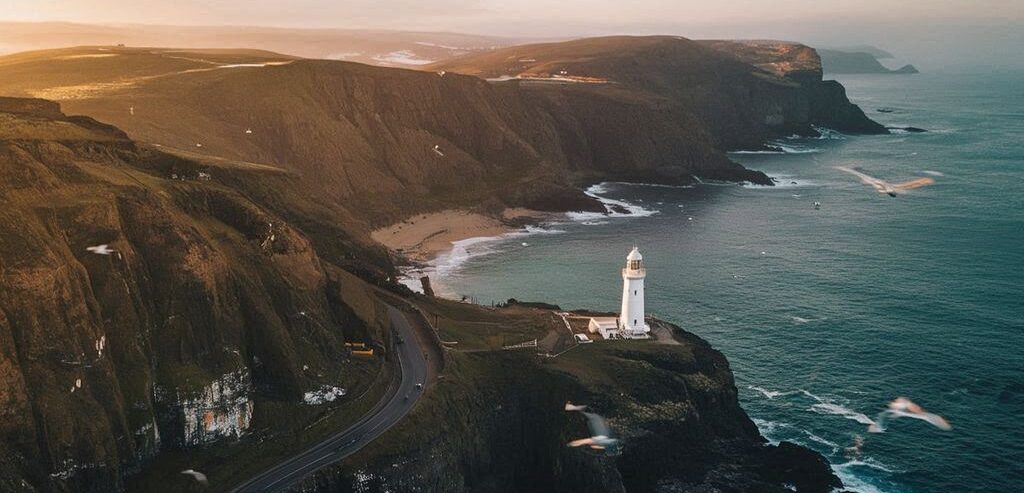
 Drone photography is setting the creative world on fire, giving shutterbugs a whole new way to capture the world from the skies. Imagine snapping shots that offer a bird’s-eye view of landscapes and urban jungles alike. It’s like adding wings to your camera.
The unique perspective drones offer can transform the mundane into something magical. Whether it’s a sweeping shot of a coastline or an overhead view of a busy city street, drones allow photographers to capture moments from angles once thought unreachable.
At its core, drone photography relies on understanding the basic components of your flying buddy. Grasping how the camera system operates is key. From gimbals ensuring your video isn’t shakier than a cafe table to the sensors that give you crisp images, knowing your gear means the difference between a ‘Wow!’ and a ‘Meh.’ You don’t need to be a tech wizard, but a little geeky curiosity goes a long way!
Mastering the Basics: How to Take Great Drone Shots
Getting hands-on with a drone starts with getting the hang of those controls. It’s like learning to ride a bike or drive a car; practice makes perfect. Spend time understanding how your drone maneuvers before you even think about lifting it off the ground for some serious photography.
When it comes to light, shooting during the golden hour can make your photo pop. That’s those magical moments just after sunrise and just before sunset when the light is soft and glowing. Think warm tones and killer shadows that bring out textures in the landscape.
For razor-sharp images, stability is your best friend. Make sure you’re flying in conditions that aren’t too windy, and take advantage of your drone’s built-in stabilization features. Keep an eye on the horizon line to avoid the dreaded ’tilted shot’ syndrome.
Before snapping the shutter, spend a moment on composing your shot. Most drone controllers offer a pilot view or grid. Use this to frame your shot, making sure your main subjects stand out. Practice using the drone’s ability to hover in mid-air to explore different angles before capturing the moment.
Elevate Your Skills: Making Drone Shots Look Professional
Once you’re comfortable with the basics, it’s time to step up your game. Nailing down those advanced camera settings can turn “just okay” shots into head-turners. Dialing in the right ISO, shutter speed, and aperture can make all the difference—it’s like matching the right pair of shoes to an outfit.
Post-processing is where the magic really happens. Using editing tools to tweak your images can bring out colors, correct exposure issues, and even add a touch of flair. Apps like Lightroom or professional-grade software such as Adobe Photoshop allow for that extra polish.
Comparing before-and-after shots reveals how post-editing can dramatically enhance your work. It’s not about turning a bad photo good, but about making a great one stunning. Think of it as giving your images their own red carpet moment.
Keeping up with professional software can make your life easier and your shots stand out. These tools often boast features customized specifically for aerial photography, like enhancing dynamic range or stitching panoramas.
Learning from those who’ve been there can speed up your learning curve. Dive into case studies or follow seasoned photographers who share their workflows and creative processes. It’s like getting a backstage pass to the show-stoppers!
The 1:1 and 400-Foot Rules: Navigating Drone Photography Regulations
Flying a drone isn’t just about capturing jaw-dropping shots; it’s about doing so responsibly. Think of the 1:1 rule as keeping your drone within visual sight. This means controlling your drone where you can see it without relying on a camera feed. It’s the ultimate rule for ensuring safety and avoiding collisions with unexpected obstacles.
Then there’s the 400-foot rule—never fly higher than this ceiling. It’s designed to keep drones clear from manned aircraft, which often fly above these heights. So, stick below and enjoy the creative constraints that can push your photography to new levels.
Regulations don’t stop at height and visibility. Navigating airspace can sometimes feel like tiptoeing through a minefield. Use apps or resources to verify your flying area isn’t restricted. Local and international drone laws vary, so get familiar before you start flying outside your backyard.
When it comes to shared skies, being informed is being prepared. Using best practices for compliance, like registering your drone if required and following local airspace restrictions, will keep you flying high without a hitch. Safety and rules form the perfect wingman to your drone’s flight capabilities.
Capturing the Perfect Shot: Expert Tips and Tricks

Spicing up your drone shots is all about exploring creative angles. Tilt your drone or move it vertically and horizontally to see how different perspectives enhance your image. Sometimes, bending the rules of composition creates the most striking visuals.
Movement in your shots can add a whole new dimension. Creating time-lapses captures change over time, making the ordinary extraordinary. Or try panoramas to fit sprawling landscapes into a single frame, bringing an epic feel to your work.
Different locations demand different settings. Customizing your camera setup for specific environments like the beach, with its reflective surfaces, or urban environments with lots of vertical lines, will help make your shots pop.
Getting tips from those who’ve been around the block is a game-changer. Listen to seasoned photographers who can share their journey through trial and error. Learning from others helps you avoid common pitfalls and find your own style faster.
Thank you for reading my article, if you have any questions, please leave them below in the comment section and I’ll respond as soon as I can. Can you also click on my links so you can purchase a drone that you like, this would mean a lot to me. Thank you very much and God bless.