The DJI Mavic 3 has turned a lot of heads since its release, and after spending plenty of hours flying it myself, I’ve gathered a pretty solid picture of what real-world use looks like. Drone fans and pros have all sorts of opinions on it. Some rave about its top-tier camera, while others fuss about certain quirks. If you’re thinking of picking up a Mavic 3, or just curious about how it fits into today’s drone scene, my first-hand experience and community insights will help you get a clear sense of what to expect.

Mavic 3 First Impressions from Real Users
Right out of the box, the Mavic 3 feels premium. The foldable arms and solid build give off strong confidence. I noticed immediately how light it is for its size, which makes transportation much easier than bulkier models. Setting it up is straightforward, even for those who haven’t flown a DJI drone before. The app guides you through firmware updates and calibration steps pretty painlessly, making the whole process accessible for both seasoned pilots and newcomers. The lightweight design means you can toss it in a small backpack and hit the road without feeling weighed down.
Plenty of users (including me) rave about the dual camera system. With a Hasselblad 4/3 CMOS sensor and a telephoto lens, the shots you get look stunning even in tricky light. The raw photo and ProRes video support are practical for editing, especially if you’re into professional video work. Community members have highlighted the detail and color accuracy as standouts, putting the Mavic 3 above the pack for aerial photographers.
Why Did DJI Discontinue the Mavic 3?
Lots of people were surprised to see DJI quietly discontinue the original Mavic 3, even though the Mavic 3 Classic and Cine versions are still around. The main reason comes down to DJI’s usual product refresh cycle. As they release improved versions (like the Mavic 3 Pro or Classic), the company often shifts support and manufacturing to these updated models, streamlining their catalog and focusing on newer tech. Demand tends to move toward the variants with slightly better specs or features tailored to more specific user needs.
No major technical flaw triggered the discontinuation. DJI is known for rolling out upgrades quickly. Older lines often phase out to keep inventory and production costs manageable. For existing Mavic 3 owners, spare parts and warranty support are still available through DJI’s official channels, so you aren’t left stranded if you own an early model.
Is the Mavic 3 a Good Drone?
I’ve flown plenty of drones, and the Mavic 3 stands out for several reasons. The flight performance is smooth and stable, even in breezy conditions. The upgraded obstacle avoidance system is super useful, especially when flying closer to trees or structures. Most users (myself included) agree that the 46-minute battery life is practical, although real-world use usually sits closer to 35-40 minutes depending on shooting style and wind. Flying it over a variety of landscapes, from beaches to forests, the drone consistently impressed me with its control and reliability.
Here are some cool features that make the Mavic 3 worth considering:
- Flagship Camera Quality: The Hasselblad lens captures sharp, dynamic images both in RAW photos and 5.1K video formats. You get editing flexibility and gorgeous detail, making it appealing to both hobbyists and pros looking to step up their aerial shots.
- Omnidirectional Obstacle Sensing: A big confidence booster, especially for newer pilots. The drone can sense and dodge obstacles on all sides, making autonomous flight modes safer. This system, more robust than ever, really steps up your peace of mind when flying near trees or buildings.
- Long Range Transmission: DJI’s O3+ system gives reliable video feed up to 15km in ideal conditions, so you don’t need to sweat about losing signal in line-of-sight flights.
- Intelligent Flight Modes: Features like ActiveTrack 5.0 and MasterShots automate complex camera movements, helping you nail cinematic shots with less manual input. These automated features let you focus on creativity rather than just piloting.
Many professional aerial photographers and filmmakers choose the Mavic 3 for client shoots and commercial work. It’s not just about image quality, it’s the mix of portability, intelligence, and reliability that really matters. For most people upgrading from earlier models like the Mavic 2, the leap in performance and usability feels genuine. The dual-camera setup makes both wide landscape shots and close-in details possible in a package that is easy to pack and carry.
Why Did the US Ban DJI Drones?
The US government has placed DJI on trade restriction lists, sparking tons of debate across the drone world. The ban mainly affects government agencies and federal contractors, not everyday hobbyists or small businesses. The main reasons cited by the US include concerns about data privacy, national security, and possible ties to the Chinese military, as documented by news coverage like this one. The US government claims DJI drones could potentially collect sensitive data in ways that create risks for critical infrastructure and personal privacy.
For private users and small businesses, DJI products are still available for purchase, and plenty of commercial drone pilots continue to use them legally. It’s important to keep updated by checking regulations for your area and industry in case broader bans come into effect later. Staying aware of both local laws and federal updates ensures you won’t run into compliance issues as things change.
Everyday Limitations and Annoyances
No drone is perfect, and the Mavic 3 has a few downsides that come up regularly among users:
- High Price Tag: It isn’t cheap. For new pilots or those with tight budgets, the cost can feel steep, especially after adding batteries, ND filters, and a carry case.
- Occasional App Quirks: DJI’s Fly app is mostly stable, but updates sometimes cause connection errors or bugs that take time to patch. Waiting for new fixes can interrupt your planning, so staying patient (or checking forums for workarounds) helps.
- Region Specific Restrictions: Geofencing can lock you out of flying in certain areas, even if you have local permission. This is frustrating for professionals needing quick deployment in remote spots. While safety is the goal, it sometimes blocks flights unexpectedly.
- No Swappable Lenses: You’re locked into the built-in camera system, so there’s less freedom compared to drones with detachable payload options.
- Accessory Dependency: To get the most from the drone (especially top-quality video), you’ll need extra filters, fast memory cards, and spares that ramp up your total spend.
User communities and forums often talk about occasional GPS drift and issues with the telephoto lens focusing at certain distances. Most problems are rare but still worth knowing about before a big shoot. Joining drone groups can give you quick feedback or troubleshooting advice if these problems pop up.
Battery Life in the Real World
The advertised 46-minute battery life is on the optimistic side. My flights usually last around 36 to 40 minutes when mixing video and photo work. Cold weather trims battery life by five to 10 minutes, so carrying a couple of spares is really important for longer sessions. Some pilots also recommend warming up batteries in chilly environments to avoid power drops, especially when filming on location.
Other Technical Limitations
The Mavic 3 doesn’t have RTK (Real Time Kinematic) support out of the box, so some high precision mapping pros might prefer other models. For most creative work, like travel, social media, or real estate imaging, the absence of RTK isn’t much of an issue. The majority of content creators don’t need that extra pinpoint accuracy.
The telephoto lens, while fun, isn’t as sharp as the main lens and struggles a bit in low light. The difference is minor for most hobbyists but can matter if you’re after gallery level prints. Knowing this in advance can help you pick the best camera mode for your shoot.
Practical Tips from Seasoned Pilots
After plenty of flights and swapping stories with other owners, I’ve picked up a handful of handy tips that can make daily use smoother:
- Carry two spare batteries and a charger on any serious shoot. You’ll rarely regret it, especially if your location is far from power outlets.
- Invest in a daylight readable screen—either the DJI RC Pro controller or a sunshade—because bright sun makes phone screens hard to see. This one small upgrade can make a huge difference for outdoor shooting.
- Don’t ignore the preflight checklist (props, firmware, GPS status). Even one missed step can shorten your day or your drone’s life. A consistent check helps prevent common mishaps.
- Use ND filters regularly to get smoother, more cinematic video, particularly when shooting in bright daylight.
- Back up footage as soon as you’re done flying, especially if you’re traveling. Memory card failures happen, and you don’t want to lose your best shots.
Listening to pilot podcasts or following DJI support channels can alert you to firmware bugs or temporary workarounds, which is really important when planning trips or big shoots. Some groups also provide flying location tips and legal updates, which are handy when exploring new areas or shooting overseas. Staying active in the community can help you solve issues faster and make new pilot friends along the way.
How the Mavic 3 Compares to Other Drones
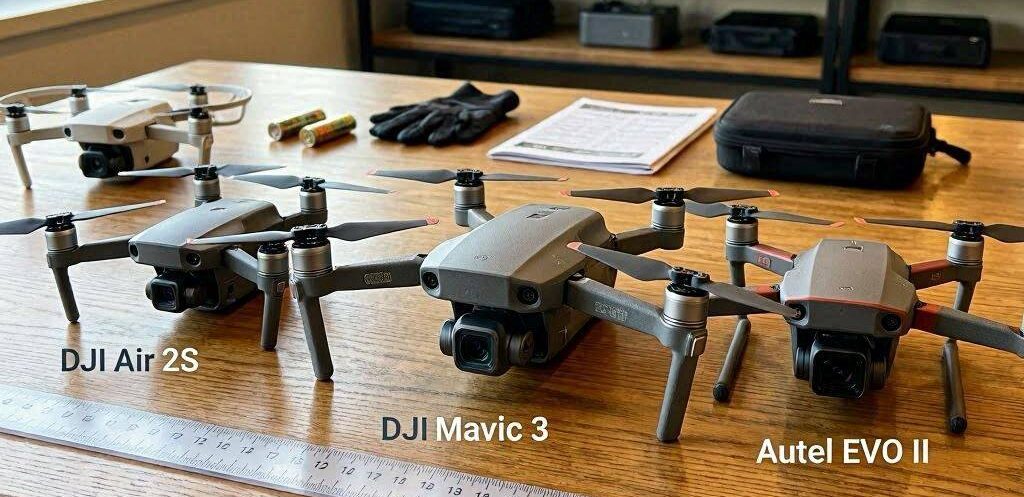
Comparing the Mavic 3 to rivals like the Autel Evo Lite+ or even DJI’s own Air 2S can help you decide what really matters for your flying style. The Mavic 3 delivers the best balance of portability and image quality. It’s bigger and more expensive than beginner drones, but delivers sharper video and better obstacle sensing.
Smaller drones like the Mini 3 Pro are easier for travel and hobby flying, but can’t hang with the Mavic 3 on image quality in tricky conditions or windy settings. High end big rigs like the Inspire 2 give you interchangeable lenses, but also weigh a lot more and cost much more after accessories.
If you travel a lot and stick to casual shooting, something like the DJI Mini line might be a better fit. But if you need professional results and want a consistent performer that still fits in a backpack, the Mavic 3 is tough to beat. Its blend of advanced flight features and all around ease of use give it a lasting appeal across different skill levels. Also, as DJI keeps updating the software, the Mavic 3 has only gotten more capable over time.
Popular Use Cases: Real Owners’ Stories
- Commercial Filmmakers: The main camera’s Apple ProRes and D Log support helps with client work where editing flexibility is key. Several social media creators love the cinematic footage and ease of use. This capability opens doors for both freelance shooters and in house content teams.
- Travel Creators: The portability keeps things light, and the wind resistance is appreciated on high elevation shoots. This allows adventurers to capture unique views while backpacking, hiking, or road tripping.
- Surveyors and Inspectors: Some building inspectors like the zoom capability, but want sharper telephoto focus for reading labels or small features on infrastructure. Despite the slight telephoto tradeoff, the drone often gets the job done efficiently for routine checks.
Most users keep coming back to image quality and flight reliability as their main deciding factors. Casual flyers looking for general fun might not need everything the Mavic 3 offers, but for pros and creative types, it’s a solid investment. Real pilots often say that a drone you trust makes a big difference on important shoots or capturing never to be repeated moments. The peace of mind and capability combine to make aerial filmmaking easier and more enjoyable.
Frequently Asked Questions
People new to the Mavic 3 (or drones in general) tend to ask the following:
Question: Can I still buy the Mavic 3?
Answer: Yes, you can get the Mavic 3 Classic and other variants from official DJI retailers, even though the original model is discontinued.
Question: Is the Mavic 3 suitable for total beginners?
Answer: It’s userfriendly, with solid safety systems, but the price makes it a better match for those serious about aerial photography or planning to turn pro.
Question: Do firmware updates ever cause issues?
Answer: Sometimes updates change settings or add bugs, so reading recent user reports before updating can save headaches.
Question: Are there alternatives I should consider?
Answer: The DJI Air 2S, Autel Evo Lite+, and Mini 3 Pro all serve different needs and budgets. If portability matters most, check the Mini line; for mapping or inspection, research drones with RTK and better zoom.
Final Thoughts
Flying the Mavic 3 is a blast, especially if you care about image quality, intelligent flight features, and a smooth flying experience. It’s not the cheapest option, but the reliability, camera performance, and community support are huge positives. Whether you want to make a living with your drone, travel, or just capture epic moments from the sky, the Mavic 3 is a strong choice that’s easy to recommend, with a clear understanding of its few quirks and costs.
Checking user groups and forums before you make your purchase can help you set the right expectations and make the most of your drone adventures. With a thoughtful approach and a bit of practice, it’s easy to see why the Mavic 3 sits atop many wish lists for aerial photography enthusiasts and working pros alike.
Thank you very much for reading my Mavic 3 drone article. If you have any questions, please leave them below in the comment section. Can you also click on my links so that you may purchase a drone that you like. Thanks and God bless.